EV owners love to talk about "fuel" savings, but the truth is those savings depend almost entirely on where you plug in. Charging at home off the grid is cheap. Charging exclusively at public fast chargers is a different story. Here's the real math.
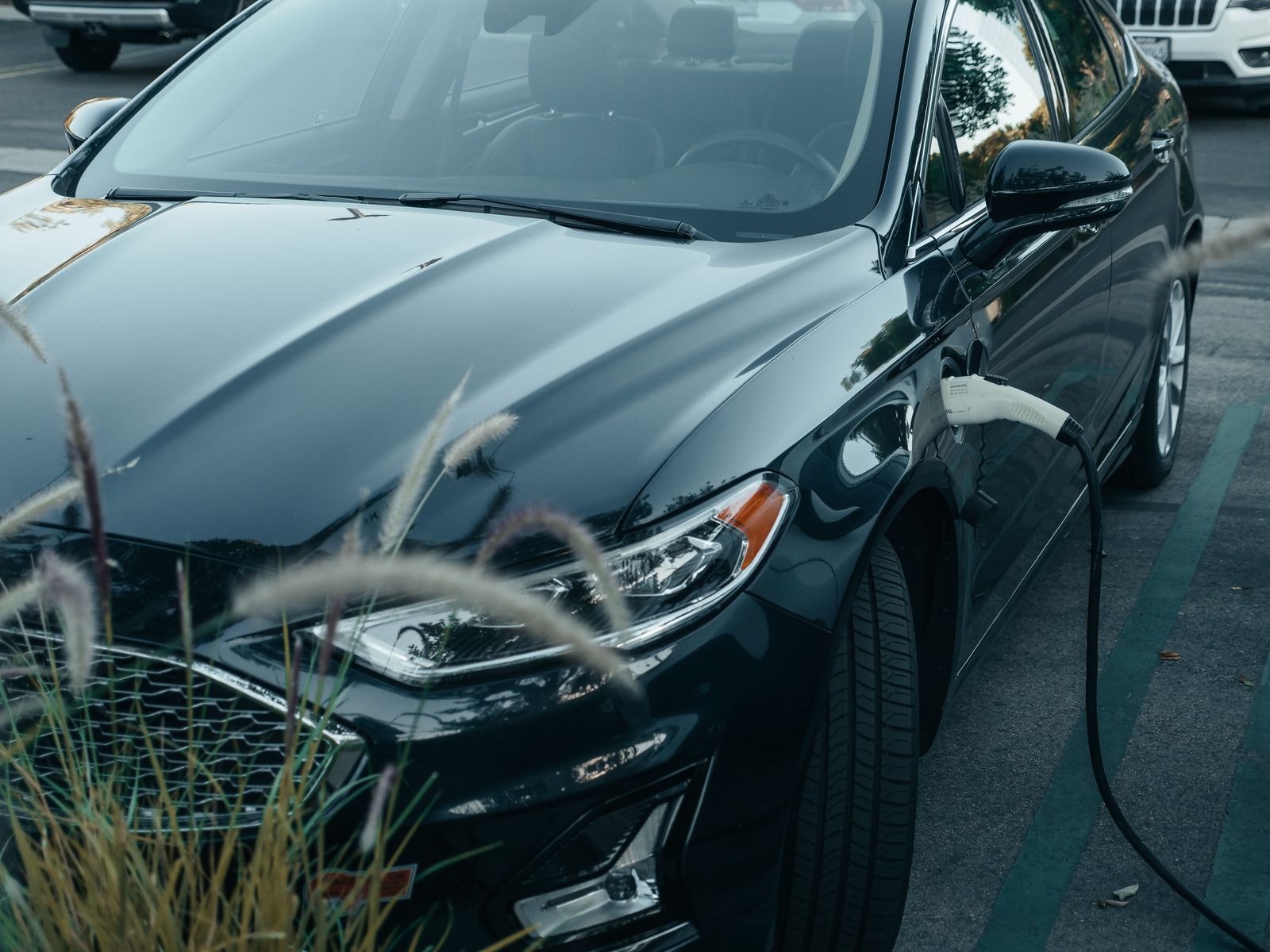
The cost of charging at home
Home charging uses your residential electricity rate, which varies by region but is consistently far cheaper than retail fast charging. Multiply your rate by your battery's usable capacity and you get a rough "tank" cost. Pairing a smart charger with an off-peak rate plan can push it even lower — see our home charger guide for the hardware side.
The cost of public charging
Public DC fast charging prices are set per kilowatt-hour (or sometimes per minute) and run higher than home electricity — sometimes substantially. It's a premium you pay for speed and convenience. Used occasionally on road trips, it's a minor cost; used as your only source, it can erode most of the EV savings advantage.
Cost per mile compared
| Fuel source | Typical cost per mile | Notes |
|---|---|---|
| Home charging | Lowest | Residential rates, off-peak plans |
| Public fast charging | Higher | Premium for speed & convenience |
| Gasoline | Highest (usually) | Depends on local fuel prices |
How to maximize savings
- Charge at home for the vast majority of your miles.
- Switch to an off-peak electricity plan if your utility offers one.
- Reserve DC fast charging for road trips, not daily top-ups.
The verdict
If you can charge at home, an EV is almost certainly cheaper to "fuel" than a gas car. If you can't, do the honest math before you buy — and consider a hybrid instead. For most people, the equation is simple: home charging is the savings engine.